
If you're a business owner, you know that you need a website to showcase your products or services. But which platform should you choose? BigCommerce or Squarespace? Both platforms have their pros and cons, so it can be tough to decide which one is right for you. In this blog post, we'll compare BigCommerce and Squarespace so that you can make an informed decision about which platform is best for your business.
Choosing Between BigCommerce and Squarespace for Your Online Store
Deciding between BigCommerce and Squarespace for an ecommerce platform can be tough. Both have their strengths and weaknesses depending on your business needs. This guide compares the two on key factors like pricing, flexibility, and reporting to help you determine the best choice.
Cost Comparison
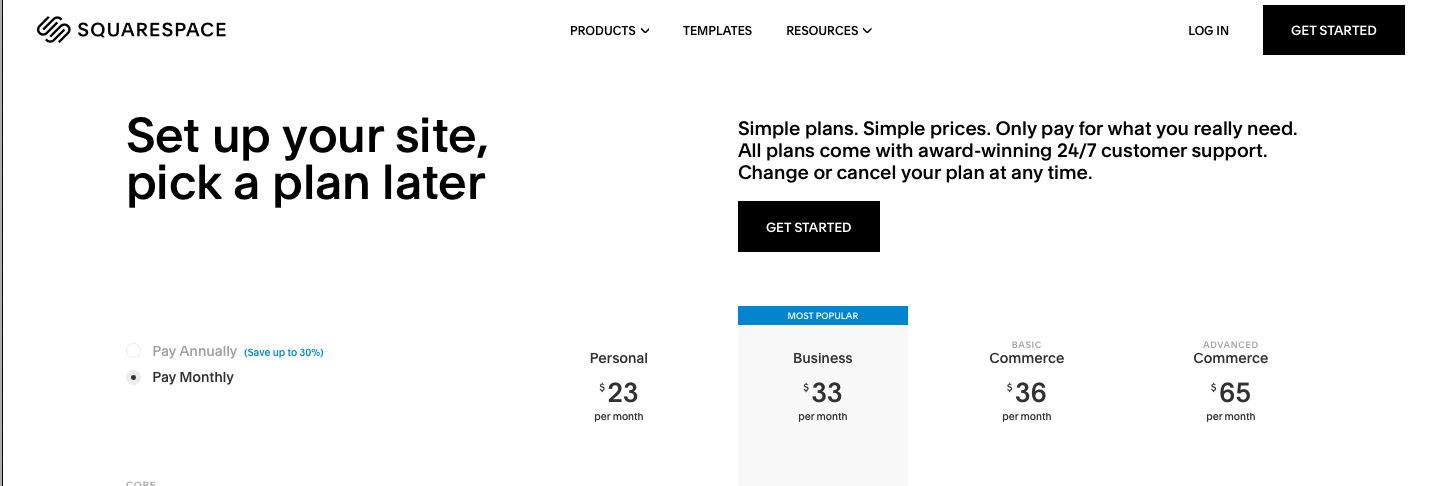
Squarespace starts at $23/month with four plan options for online stores.
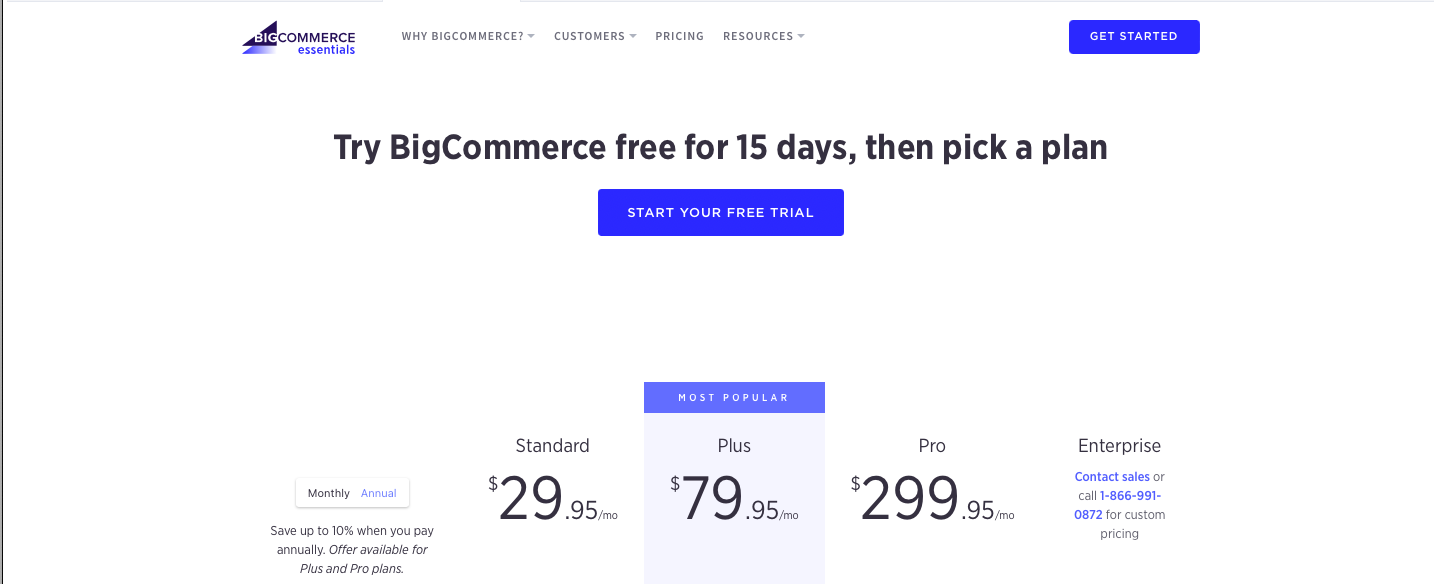
BigCommerce's pricing begins at $29.95/month with four tiers of plans as well.
Though BigCommerce specializes in high volume sales, Squarespace offers more features per dollar spent. This makes Squarespace the more budget-friendly option for small to medium sized stores.
Flexibility and Customization
BigCommerce is the clear winner when it comes to flexibility for customizing store design and integrating other apps and platforms. Their open API allows limitless integrations with external tools.
Squarespace supports some integrations but is more limited. Store owners have less control over tweaking site style and layouts.
Ease of Use
Both platforms provide intuitive, drag-and-drop editors to build your store. Squarespace gets slightly higher marks for simplicity from first-time users.
But BigCommerce also offers ample educational resources like guides and video tutorials to help overcome any learning curve.
Sales and Traffic Insights
Understanding your store's performance is key for growth. BigCommerce provides very robust analytics and sales reporting to inform business decisions.
Squarespace analytics, while still useful, don't provide the depth of metrics and customization BigCommerce offers.
Top Notch Support
No matter which platform you choose, you'll have access to 24/7 customer support via email, phone, and live chat. Both also provide extensive self-help resources.
Secure and Compliant
Squarespace and BigCommerce utilize high security measures and protocols to protect stores and customer data. Their commerce plans are PCI compliant.
The Best Choice Depends on You
In summary, BigCommerce excels in customization and analytics while Squarespace offers ease of use and value. Assess your business requirements and budget to decide which solution best fits your online store's needs.
For further guidance on choosing or transitioning your store to an ecommerce platform, contact our ecommerce experts at Simpl.
Recommended: How To Set Up Bigcommerce Shipping